
Our Coffees
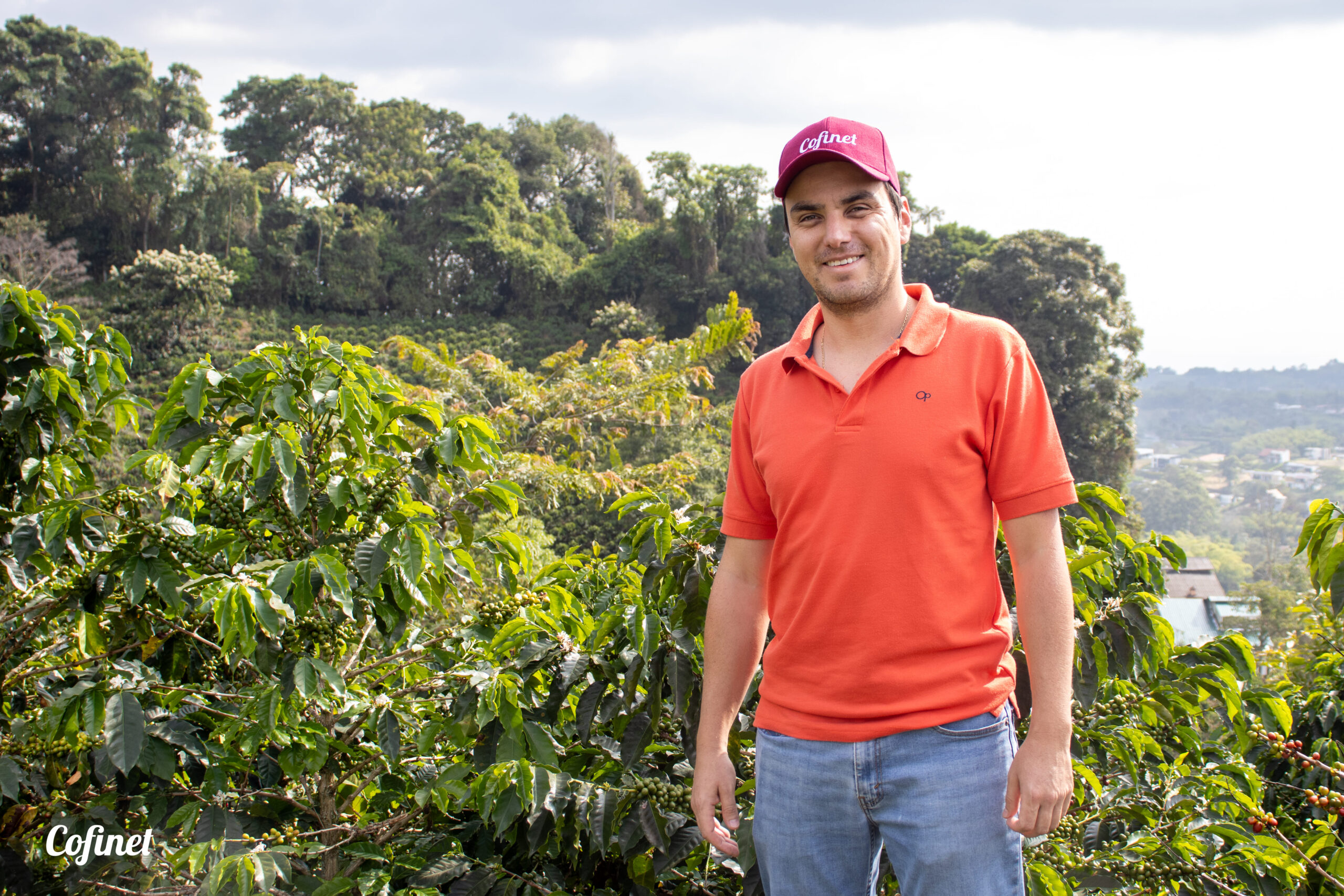
La Divisa, Quindio, Colombia
Notas: Plums, Red Fruits, Cacao Nibs
Producer
Sebastian Gomez
Altitude
1800 masl
Environment
Volcanic Soil
Species
Arabica
Varietal
Castillo
Harvest period
December - March
Harvest Type
Manual
Drying
Patios
Process
Natural
Price
240.00kr – 500.00krPrice range: 240.00kr through 500.00kr
250 gr
1 Kg Special Price
12% Tax Included
We also accept these payment methods

About Varity
The Castillo variety, developed by Colombia’s Federación Nacional de Cafeteros (FNC) through its research centre, Cenicafé, was officially released in 2005. This variety was specifically designed to address two major challenges faced by coffee farmers: low productivity and susceptibility to coffee leaf rust (Hemileia vastatrix), a devastating fungal disease that has caused significant losses in coffee crops globally. Developed from a genetic cross between the Timor Hybrid (known for its disease resistance) and Caturra (valued for its compact size and stand out cup profile), Castillo combines the
best traits of both varieties. It offers robust resistance to coffee leaf rust and delivers higher yields compared to traditional varieties like Caturra. Castillo is also adaptable to a range of altitudes, typically thriving between 1,200 and 1800 m.a.s.l. making it a versatile choice for Colombian coffee growers.
About Natural
Sebastián and his team of pickers selectively harvest only the ripest cherries. The cherries are then transported to La Divisa sorting area, where the team meticulously hand-sorts and float them to eliminate any low-density, underripe, or defective beans. Then, the cherries are transported to our processing center, La Pradera, in Grainpro bags or suitable containers to preserve their freshness. Upon arrival, we continue with our rigorous quality protocols. The cherries are placed in water tanks to float them, removing any low-density beans and external material. The water used in this stage is recycled for more baches that require floating. Once this water is no longer suitable to be used for floating, it is filtered through a series of specialized tanks before being irrigated into vetiver grass beds and is released as oxygen. This natural filtration process purifies the water, ensuring no contaminated water is discharged from our processing center and maintaining an environmentally sustainable operation.
After floating, the cherries undergo a meticulous hand-sorting stage. Here, we eliminate any unripe, overripe, or faulty cherries to ensure only the best cherries move forward in the process. For this lot, cherries are exposed to 45-hour aerobic fermentation. This method highlights
the intrinsic flavors of the coffee, resulting in a cup that is rich, complex, and deeply connected to its origin. Afterwards, cherries are spread out on raised beds when they are exotic varieties or in our elbas drying station for bigger lots. The cherries are carefully monitored and turned regularly to ensure uniform drying and to prevent over-fermentation or mold. The drying process can take between 8 to 12 days, during which the sugars and flavors from the fruit slowly permeate the beans. This creates a unique profile characterized by intense fruitiness, sweetness, and a full-bodied.
We aim for a moisture content of 9.5%-11%, which is the perfect point for us. Our greenhouse maintains a temperature range of 20 to 38°C, helping us achieve a consistent drying time for our coffees.
Sebastián Gomez
Sebastian Gomez comes from a traditional coffee family. He along with his father owns La Divisa Farm, a 13-hectare farm, located at 1.700, in Circasia, Quindío. On the farm, they have some beautiful shade trees such as Guamo, Guayacan, Gualandai, and Nogal. Sebastian is a young farmer and along with his wife both work on the coffee duties and administrative matters. His father, John, has been working in coffee for more than 30 years and has been taking care of the coffee farm since he bought the farm in 1995. Sebastian started to be more involved in coffee in 2014 when he came back To Colombia. Sebastian could witness the specialty movement in other countries, so he decided to be more involved in coffee and it was when they decided to focus on specialty coffee. They planted varieties such as Geisha and Pink Bourbon.
Sebastian shared that they knew they were about to wait and just let their hard work speak out. It was three years after they could see the marvelous result.10 years later, quantity was the focus, but now they see a radical change since now the focus in the coffee industry is quality. Now they want to do differentiated coffees since they know that is what the market demands too.