
Our Coffees

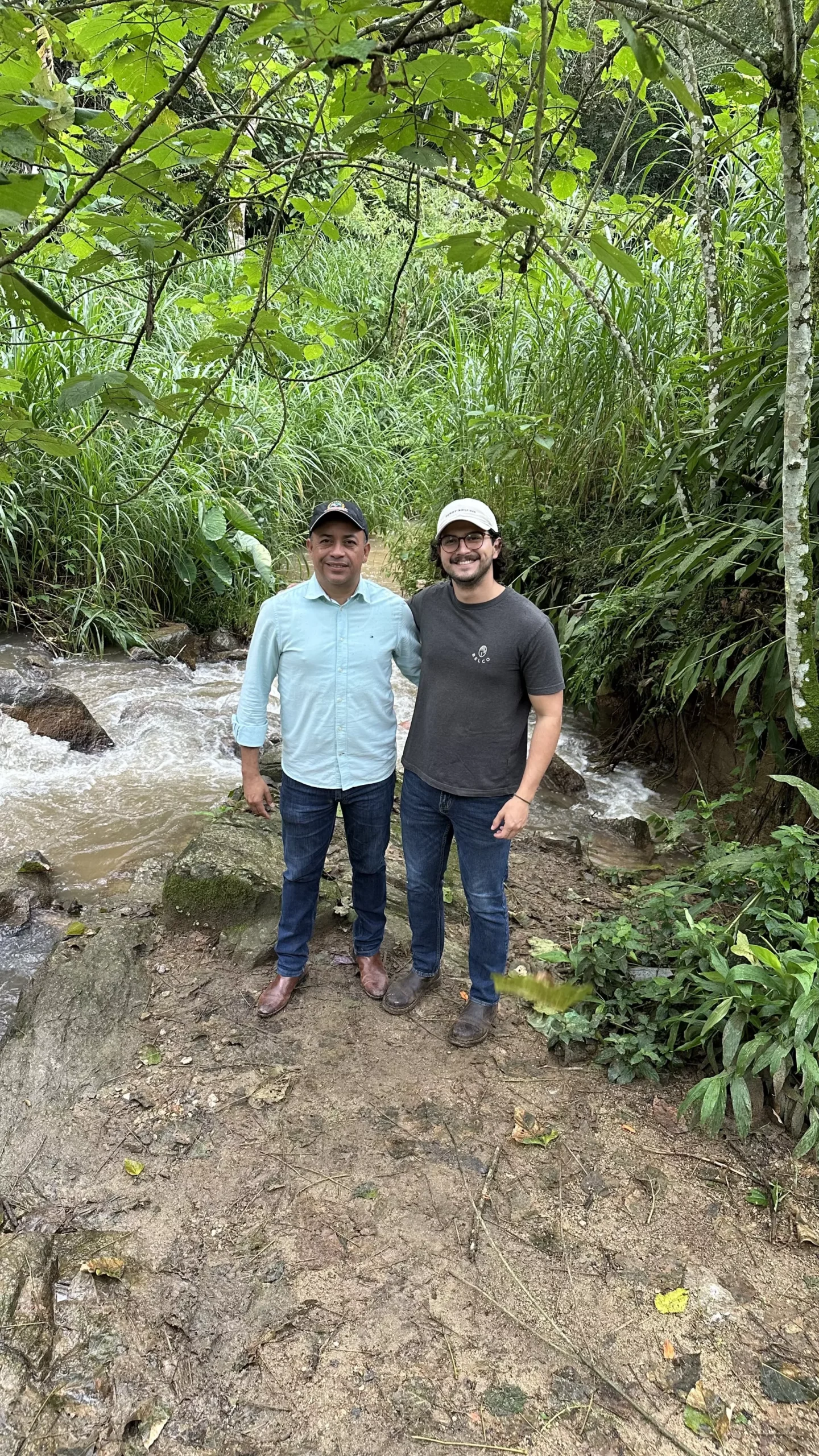
Buenos Aires, Nueva Segovia, Nicaragua
Notes: Blackberry, Plum, Cocoa Beans, Caramel
Producer
Olman Valladarez
Altitude
1500 masl
Environment
Forest
Species
Arabica
Varietal
Caturra
Harvest period
December – April
Harvest Type
Manual
Drying
Patios
Process
Washed
Price
195.00kr – 510.00krPrice range: 195.00kr through 510.00kr
250 gr
1 Kg Special Price
12% Tax Included
We also accept these payment methods

About
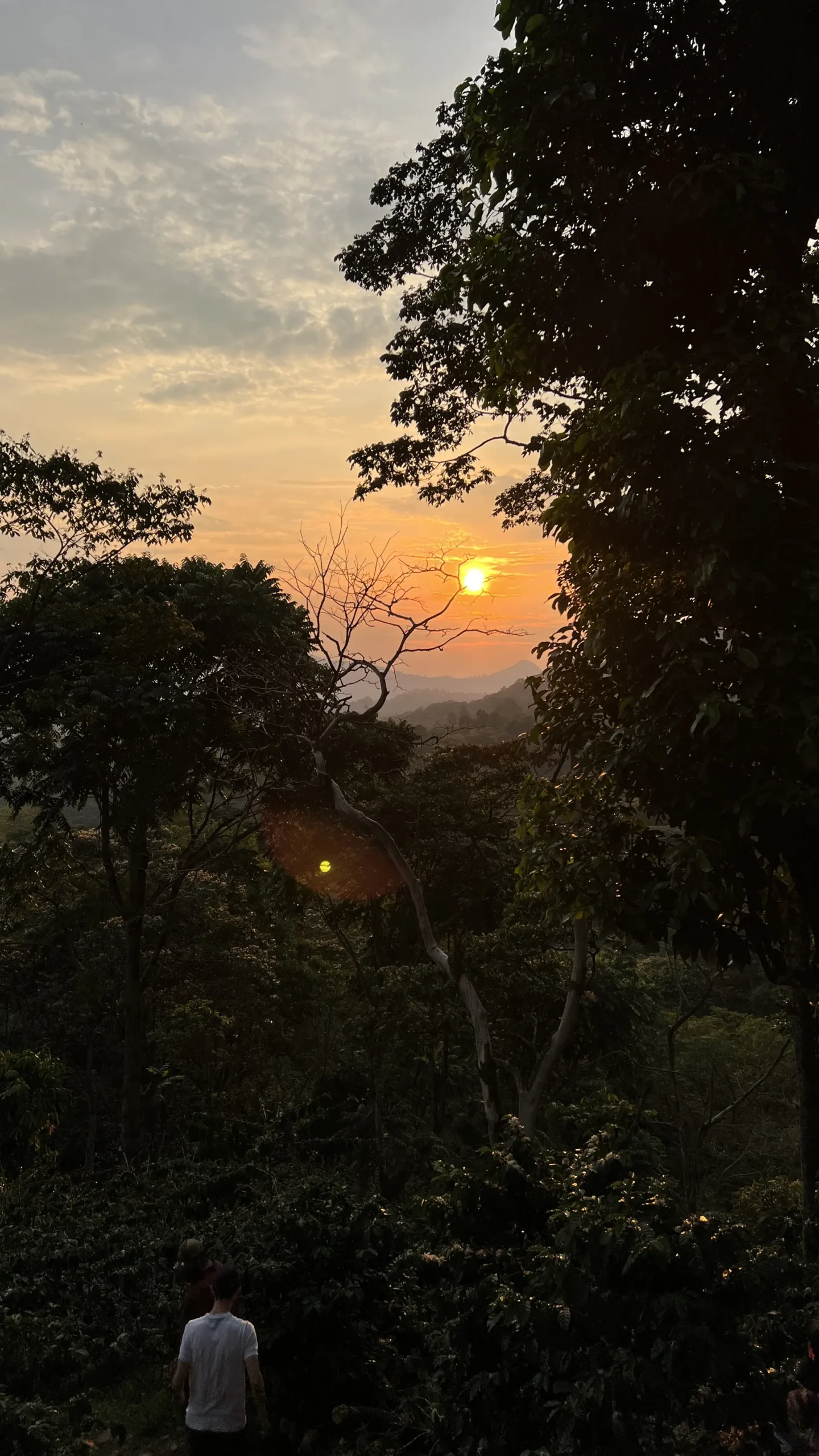
The Dipilto – Jalapa Mountain range, located in northern Nicaragua, is one of the most emblematic coffee – growing regions in the country. This mountain range is the oldest geological formation in Nicaragua; this mountainous area, part of the Nueva Segovia department, is notable for its altitude, temperate climate, and fertile soils, ideal conditions for growing specialty coffees and one of the best examples of this is Buenos Aires farm.
Finca Buenos Aires is named after the community where it is located, on the Dipilto – Jalapa Mountain range, in northern Nicaragua, near of Honduras border (just some few kilometers). It has been a farm that has been passed down from generation to generation. Mr. Luis Emilio Valladarez’s grandmother left it to him as an inheritance, and he has left it to his children today and has been with the family for more than 60 years. He’s participated in the Cup of Excellence competition in 2008 and 2009, then in 2014 continuously until 2024. In all its participations its has obtained different awards, Maracaturra variety being the most outstanding.
But what’s the secret of this farm? Easy. The secret lies in its rich biodiversity, its productive management (increasingly resilient), the rigorous post-harvest controls, and most importantly, the passion each employee puts into it every day.
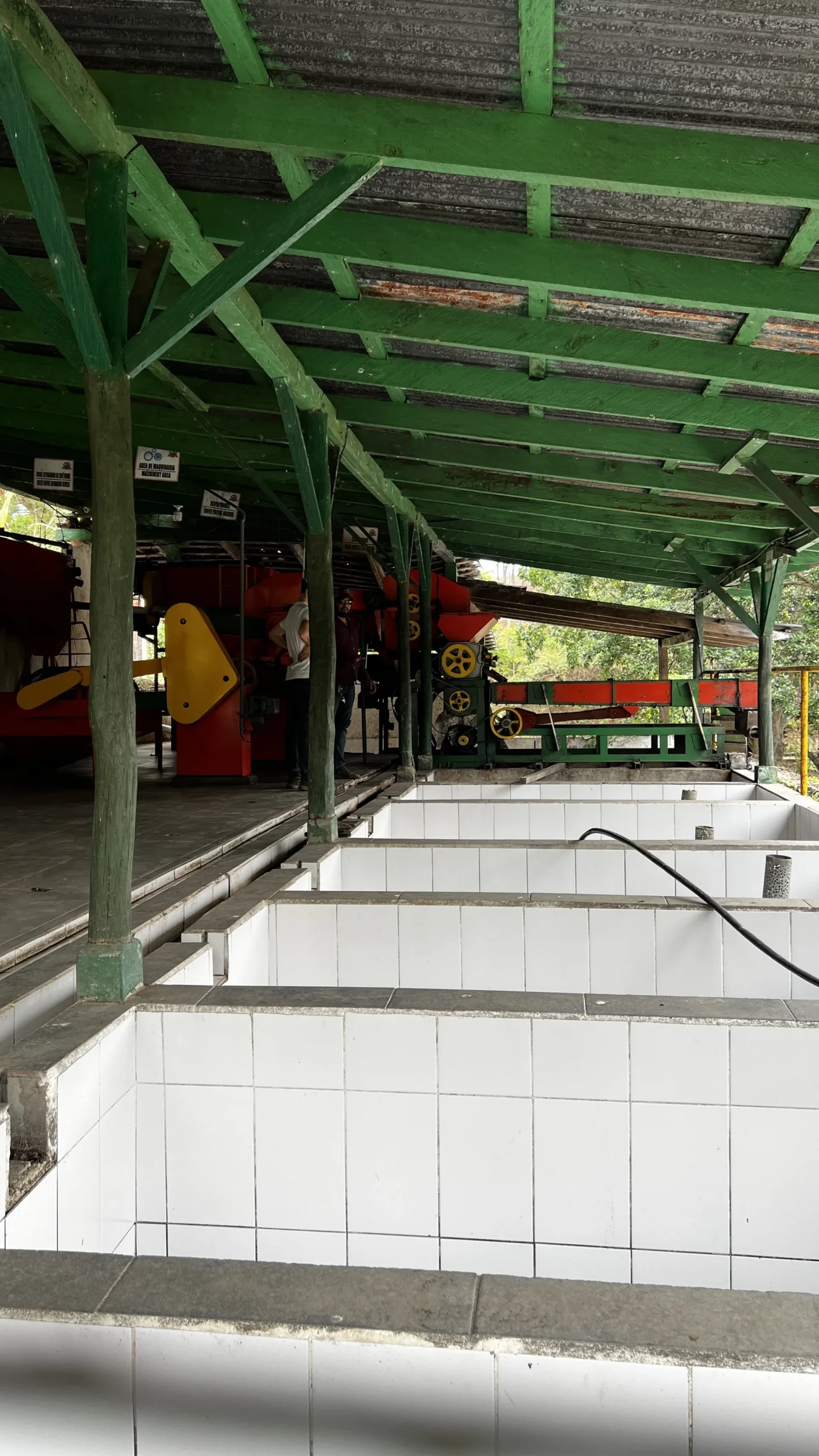
This time, we’ve brought a little piece of the Buenos Aires estate to your cup, through a washed Caturra coffee. This coffee is harvested, and it is floated to remove unripe, overripe, green, and low – density beans. It is then pulped and left to dry ferment for 15 to 24 hours (without water) into tanks. Finally, the coffee is washed to remove the mucilage. This process culminates in the coffee drying in patios for 8 to 15 days, depending on weather conditions and in some cases under raised beds.
About Buenos Aires
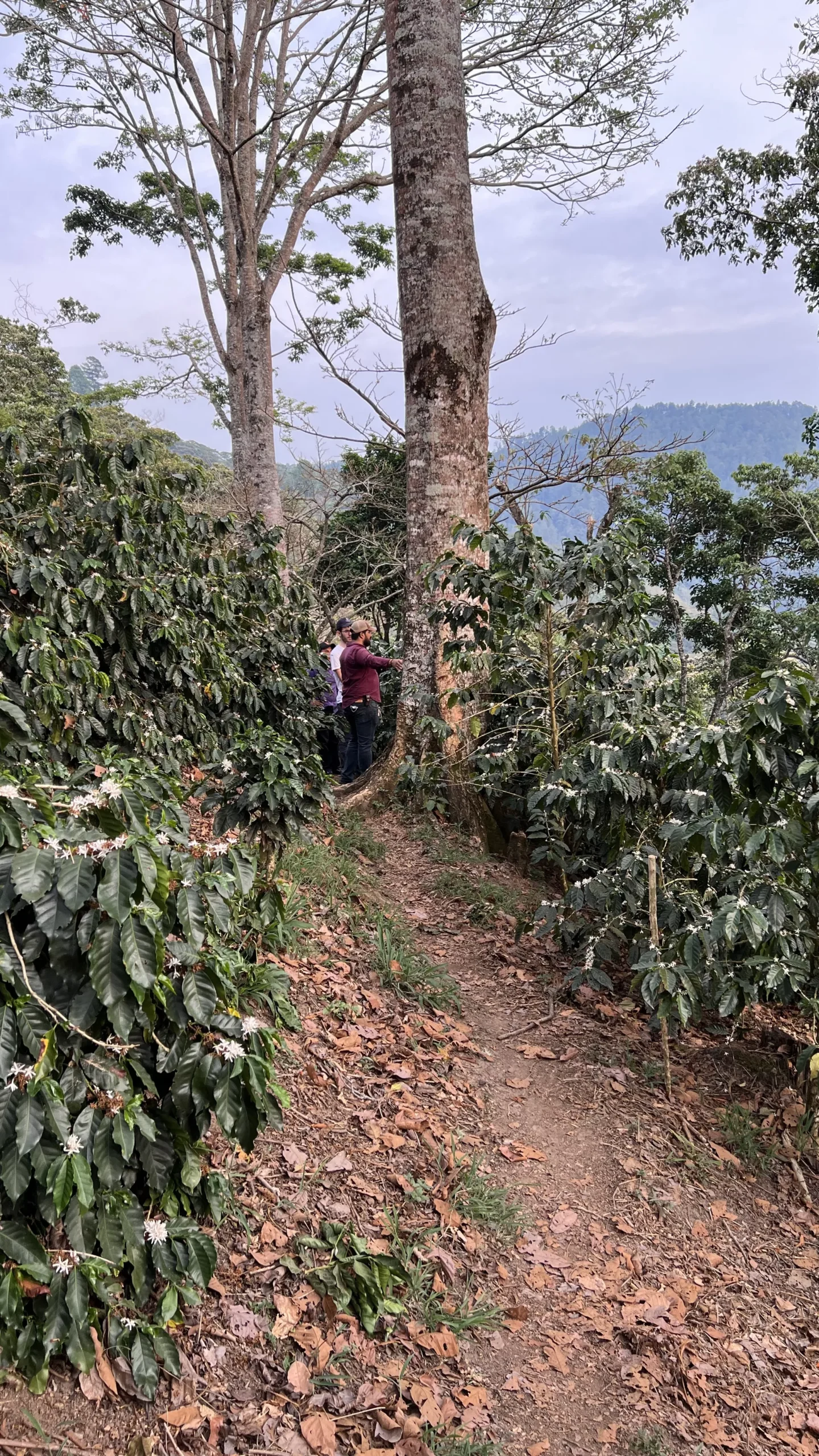
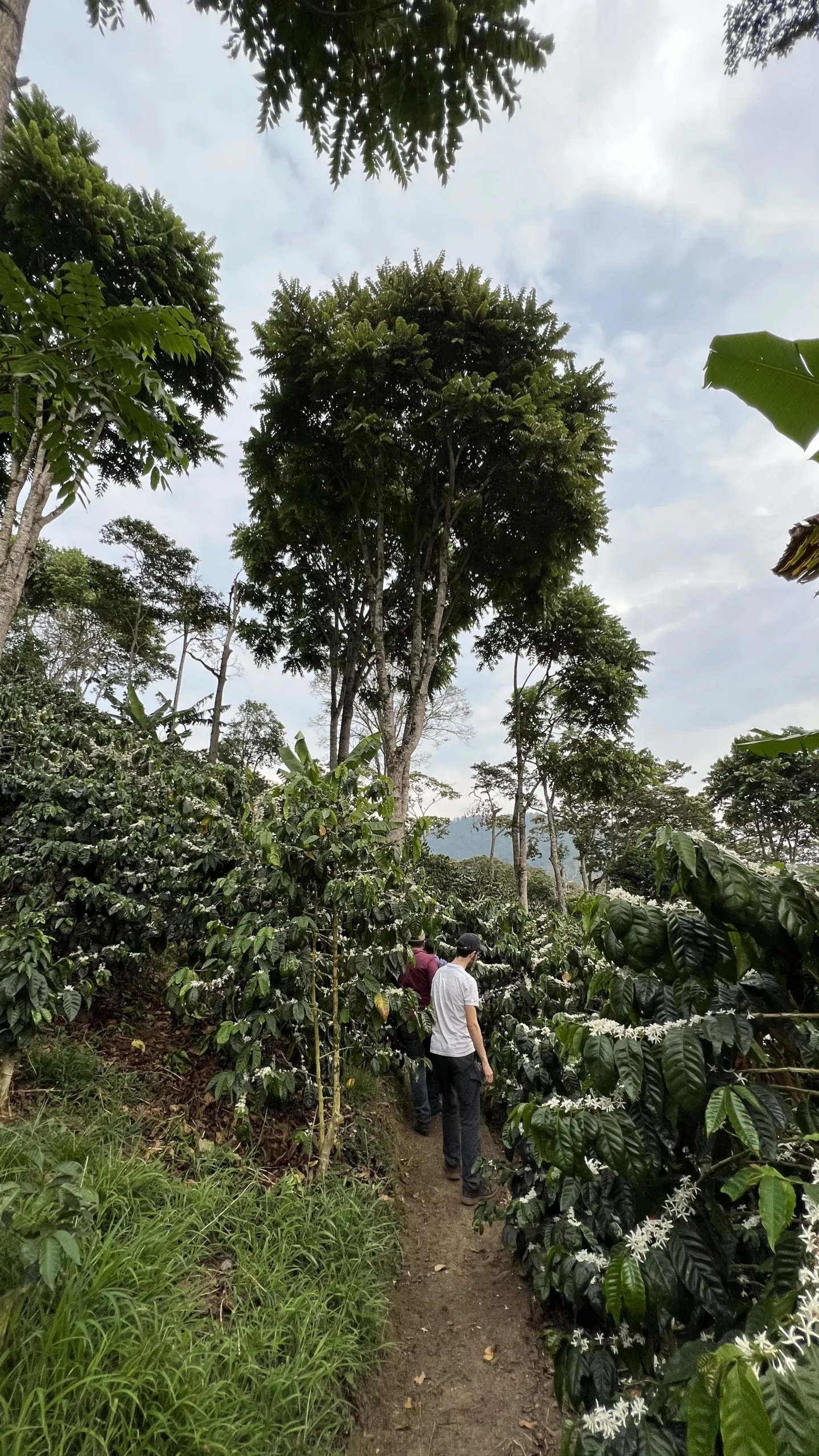
Buenos Aires farm is a 215-hectare family-owned estate belonging to the Valladarez family. Located in the mountains of the Dipilto–Jalapa range in northern Nicaragua, just a few kilometers from the Honduran border, it benefits from a microclimate well suited to the production of high-quality coffees. The farm is characterized by dense natural shade, allowing coffee trees to develop at their own pace within a preserved environment.
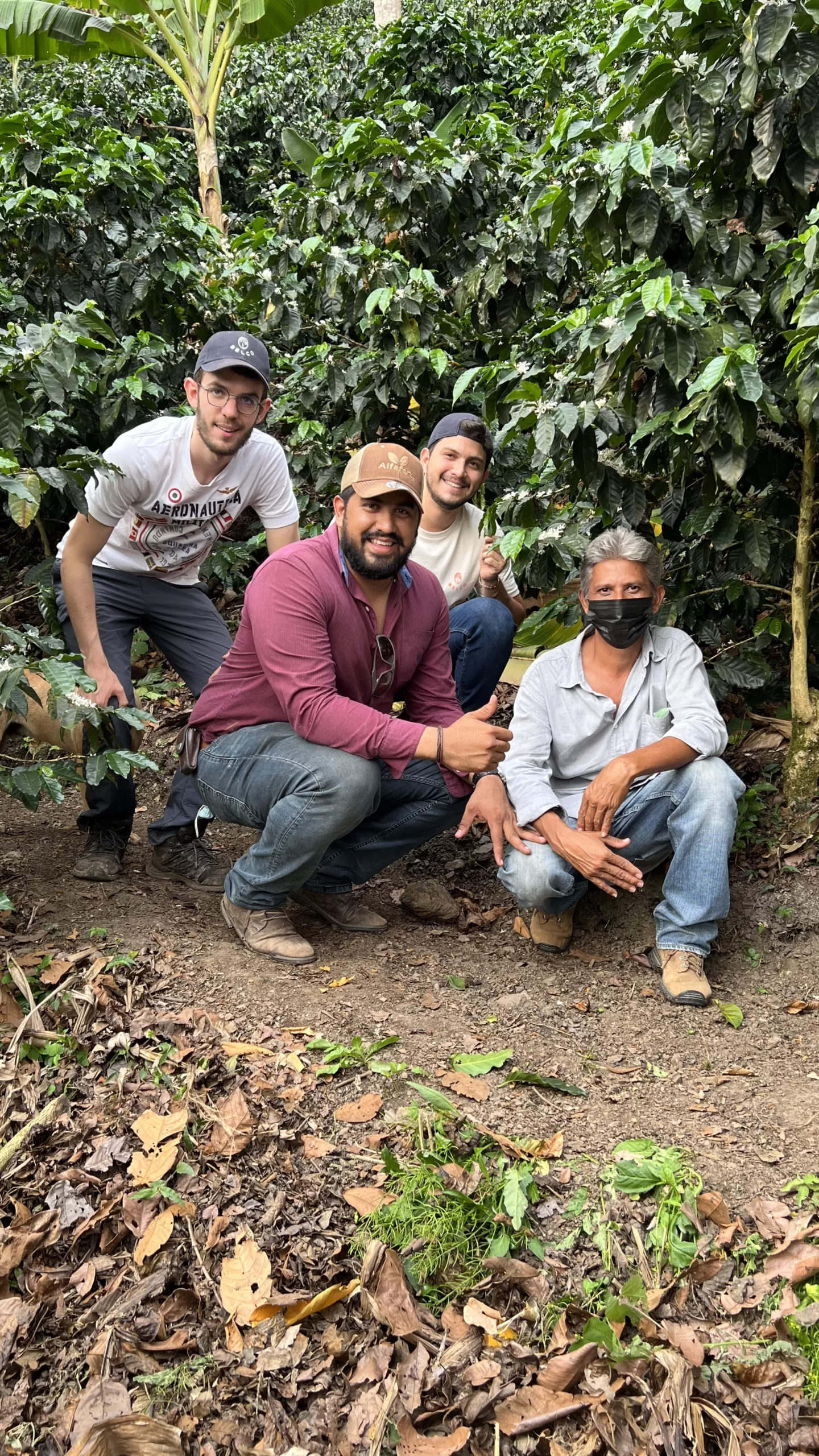
Finca Buenos Aires is named after the community where it is located. It has been passed down through generations within the Valladarez family for over 60 years. Inherited by Luis Emilio Valladarez from his grandmother, the farm is now run alongside his son Olman Valladarez, representing the second generation of producers.
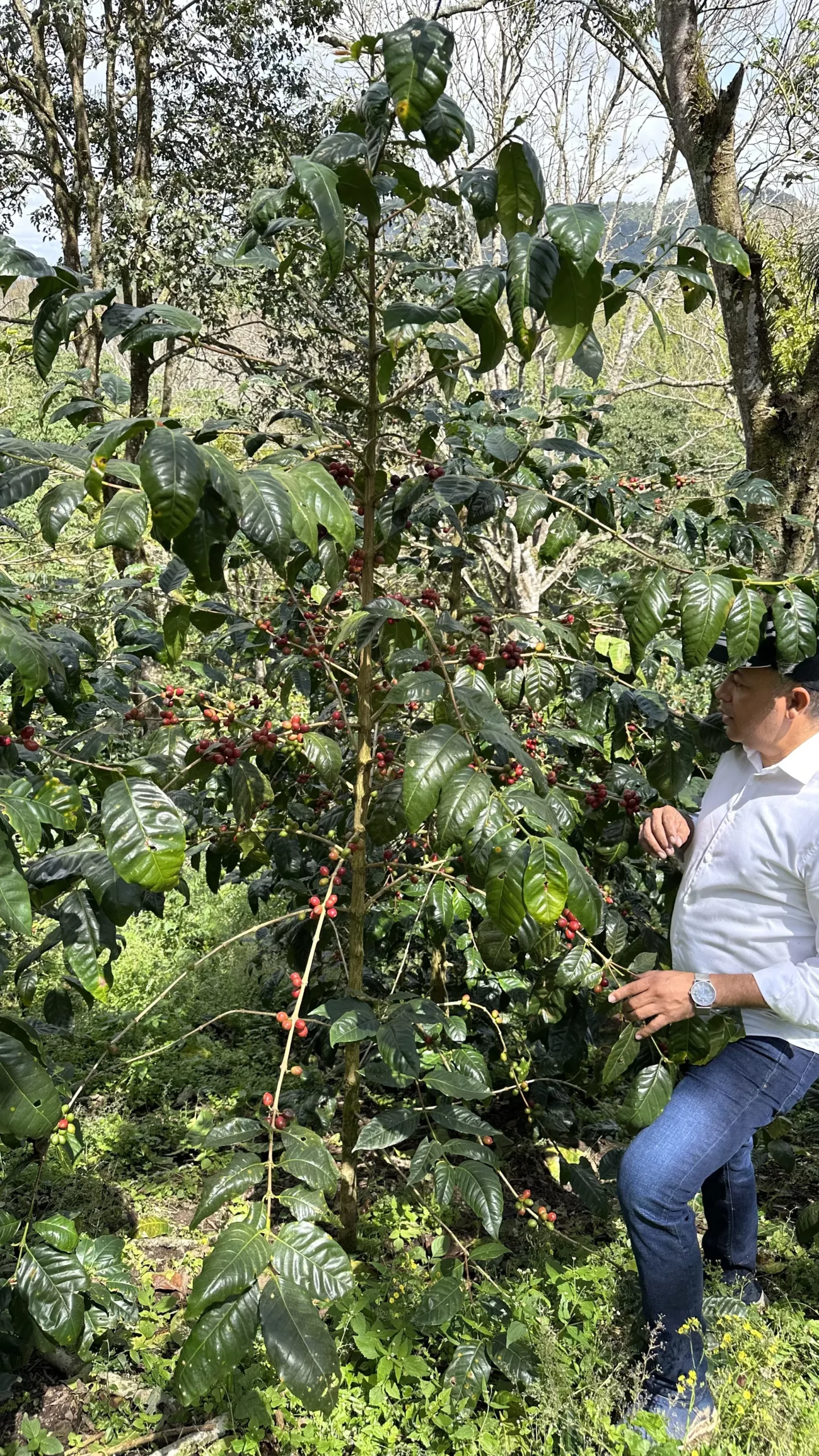
The farm cultivates a wide range of varieties, including Maracaturra, Caturra, Maragogype, Catuaí, Marsellesa and Java. It is integrated into a rich forest ecosystem composed of more than 90% native tree species, such as Búcaro, Liquidambar, Guaba, avocado, mango, bamboo, guarumo, Indian banana, oak and walnut, contributing to biodiversity and the resilience of the plots.
The Valladarez family operates its own wet mill and dry mill, enabling them to develop their own processing methods, limit the risk of contamination, reduce water usage, and ensure strict quality control at every stage. This full operational control also guarantees the traceability of each coffee produced on the farm. Prior to the construction of these facilities, all family production was sold as cherries; this investment marked a decisive turning point in the structuring of the project.
Committed to more sustainable farming practices, the farm has stopped using herbicides for over two years, in order to reestablish ground cover, protect soils, and preserve microbial life. This approach is part of a broader effort to reduce chemical inputs and safeguard natural resources.
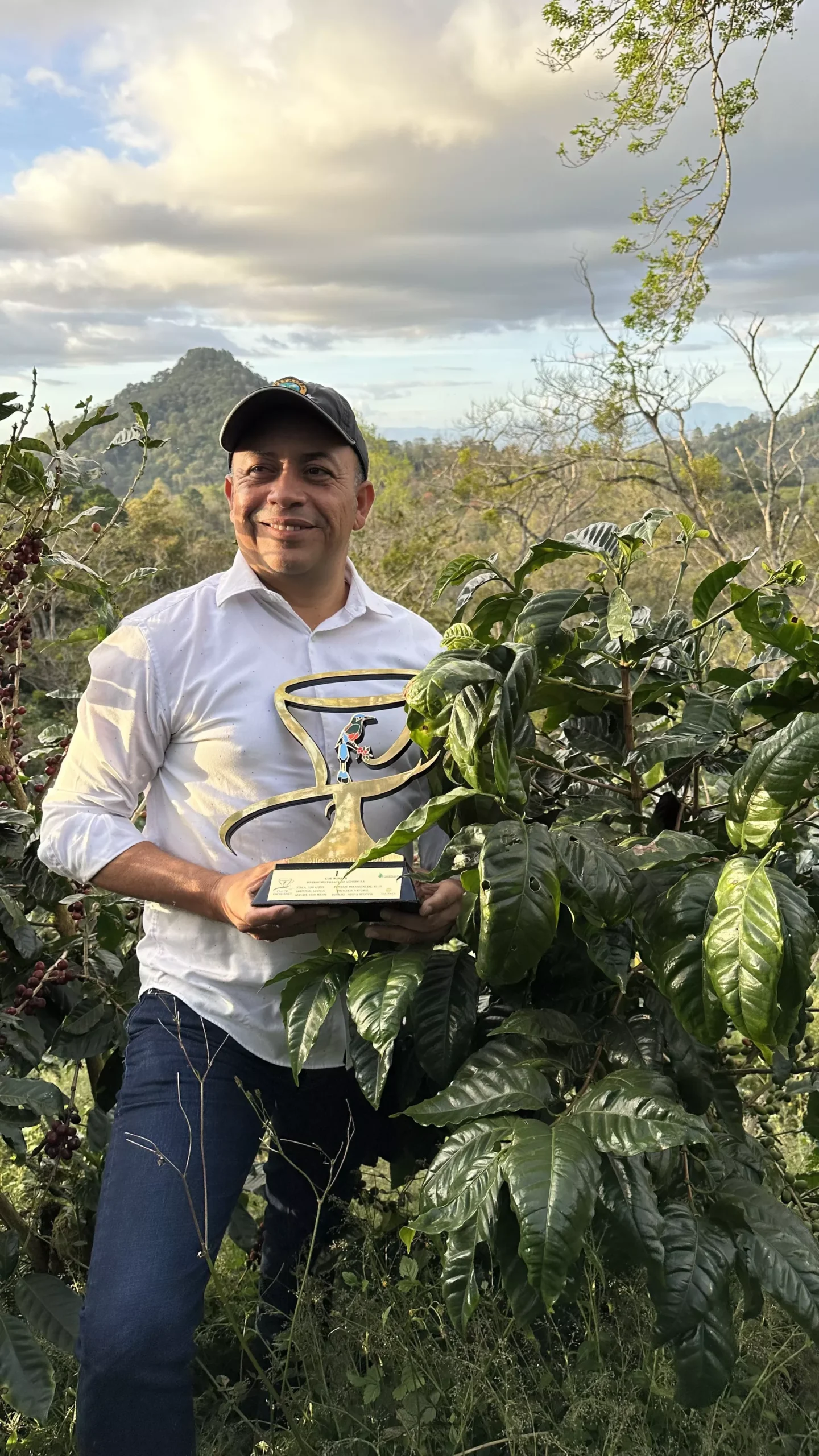
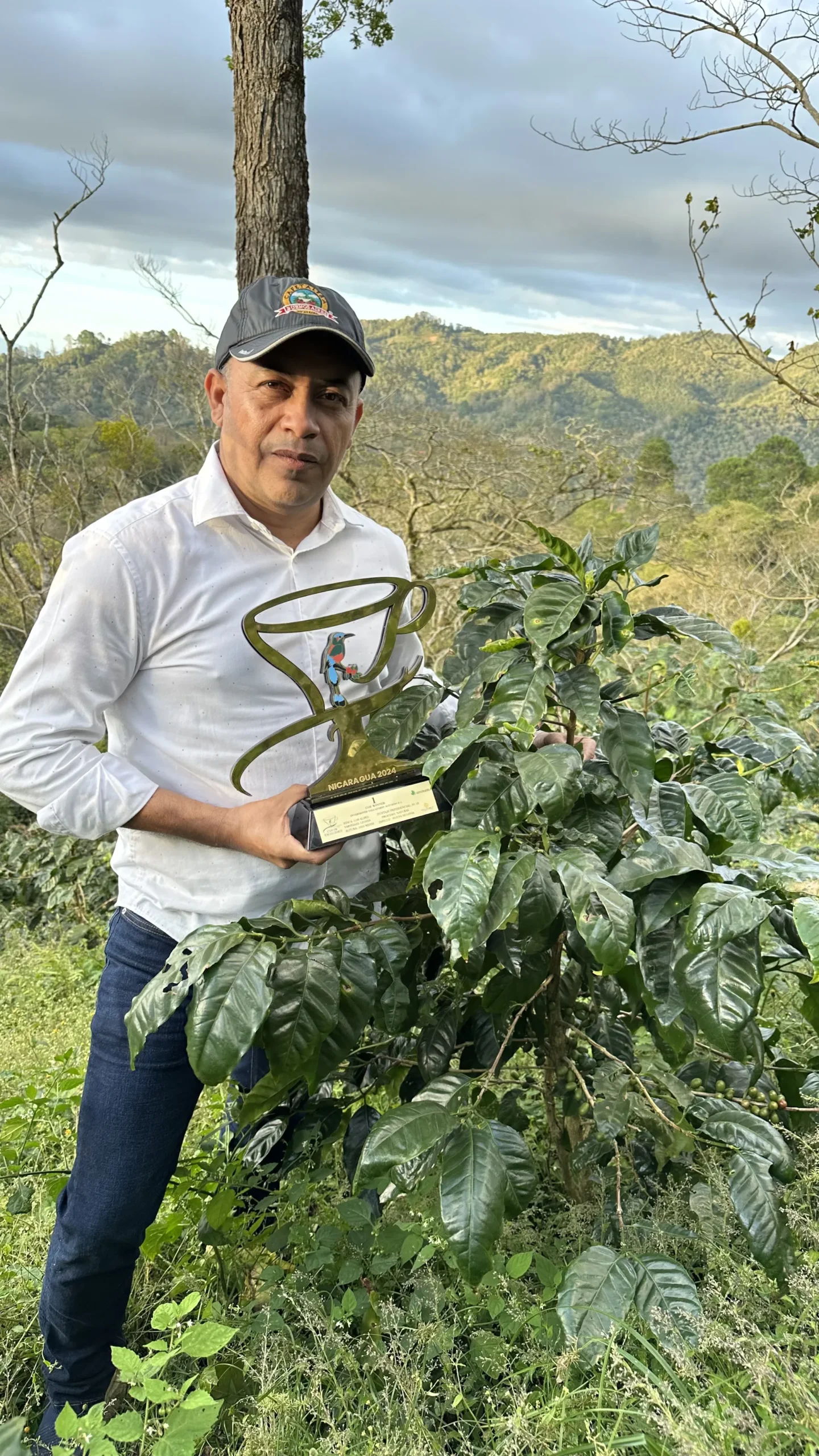
Finca Buenos Aires is also recognized for the consistent quality of its coffees on both national and international stages. It participated in the Cup of Excellence in 2008 and 2009, and then continuously from 2014 to 2024, earning numerous distinctions—particularly with the Maracaturra variety, which has stood out for its performance. These recognitions have contributed to making Buenos Aires a benchmark for specialty coffee in Nicaragua.
Olman Valladarez
“I’m the second generation of coffee farmer, I was born and raised in a coffee producing family. Today I am continuing what my father inherited from us. Due to financial problems in 2002, I had to make my own decision to stay with the family and face the current situation at that time. I had to do various businesses parallel to coffee to be able to heal the blow we had.
Our coffee at that time had quality problems and that is when I started to get advice to improve. That’s when I got the idea that coffee has greater potential and in 2005 I discovered the different attributes that coffee can offer. In 2006 was my first participation in the Cup of Excellence contest and having obtained good results, I made more efforts to enter the specialty coffee segment.
In 2008 I integrated the so-called coffee processes into our project and in 2015 I began to experiment with various types of fermentation. A year later, in collaboration with a chemical engineer, I delved into this procedure, thus achieving greater precision in the qualities and processes of our products.
To date, I’ve participated in the Cup of Excellence competition more than 40 times and have won first place five times. In Nicaragua, we promote an event called The Best of Maragos, a competition where only varieties like Maragogype, Maracaturra, and Pacamara can compete, where I have also won first place. My first Cup of Excellence victory dates back to 2015. Since then, our coffees have continued to be recognized at the highest level through 2024.” – Olman Valladarez
We have been working with Olman Valladarez for over ten years. After taking over the family farm, he structured his project around a gradual mastery of quality and control over the value chain.
Until the construction of the Cafetalera Buenos Aires washing and drying station, the family’s coffee was sold entirely as cherries. This investment marked a turning point, enabling the Valladarez family to regain full control of the process, from post-harvest processing through to export.
Today, Olman Valladarez’s commitment is built around developing an eco-friendly business model, reducing the use of chemical inputs, and preserving surrounding forests and water resources. While he is proud to have turned the family farm into a benchmark for specialty coffee, his ambition now is to create a positive and lasting impact on biodiversity.